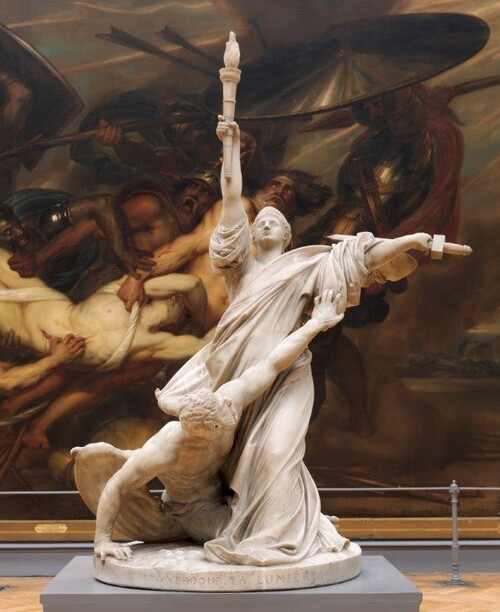
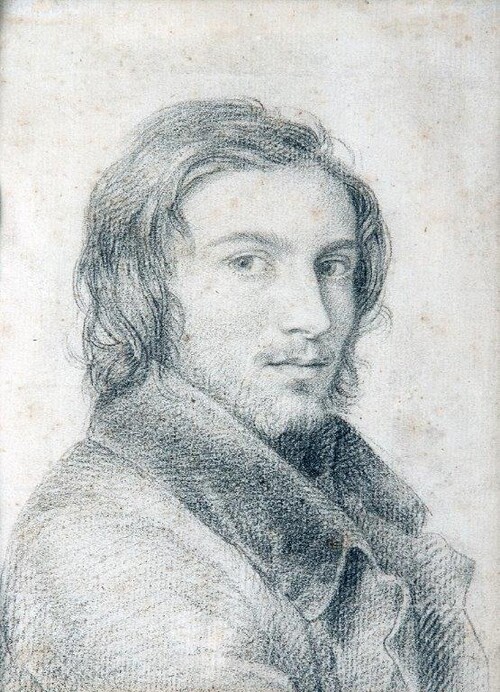
Two renowned art historians and specialists, in the field of the history of the Wiertz Museum, Pascal Griener and Stephen Bann will discuss Antoine Wiertz during this symposium.
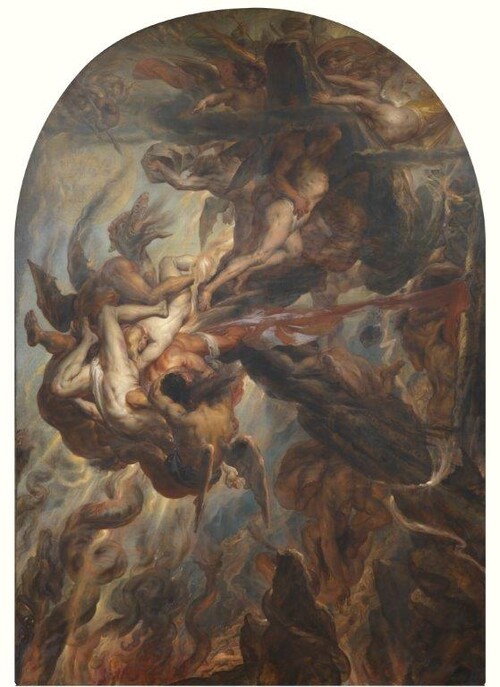
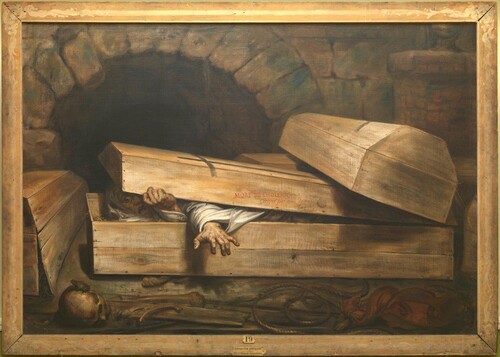
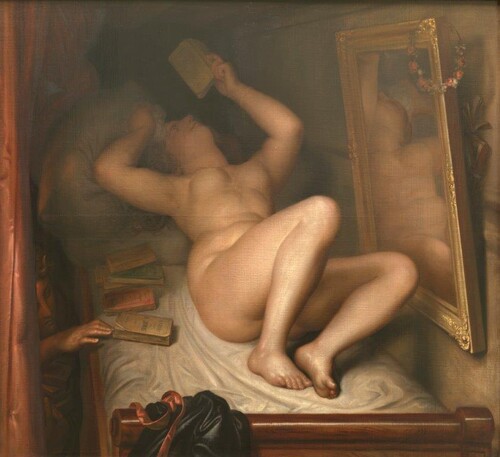
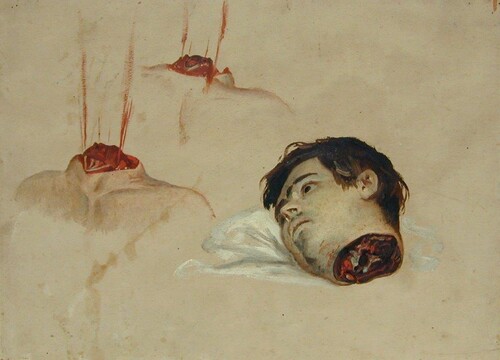
In art history Antoine Wiertz (1806-1865) is often considered as a curiosum, as the prototype of the artist as ‘failure’. Contemporaries described his colossal and melodramatic works as an odd and monstrous potpourri lacking focus and escaping all aesthetic categories.
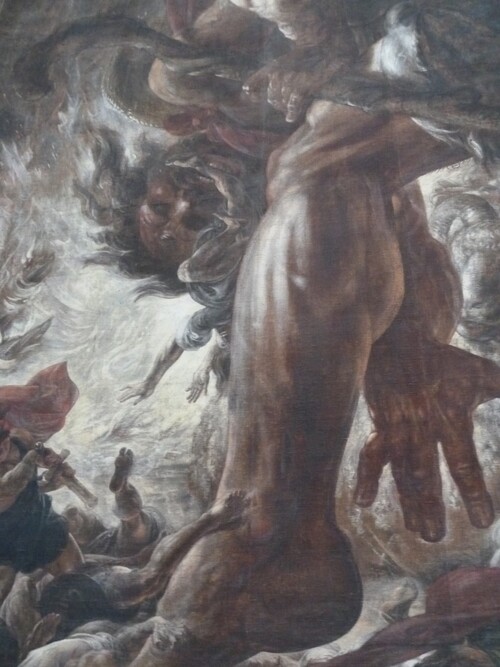
The disparage for his work already begun in 1839 when Wiertz exhibited his gigantic painting Greeks and Trojans fighting over the body of Patroclus at the Paris Salon. Paris critics used his work as an example to show how the sublime was just one step away from the ridicule. Also, Baudelaire described Wiertz as an idiot whose paintings were as large as his stupidity. Until deep in the twentieth century, this criticism would set the tone for the Wiertz study and reception.
The recent, renewed art historical interest for Wiertz shows a new perspective. Especially the inseparable relationship between Wiertz’ art and the Wiertz Museum is central here. In 1851, Wiertz received a state subsidized atelier that he immediately used as his personal museum that was entirely dedicated to his own oeuvre. This museum does not only fit within the cultural policy of the still young Belgian state, but also within the broader perspective of the museum as public institution.
Since the creation of museums in the late eighteenth century, they function as instruments of canonization of art, often with a nationalistic perspective. Wiertz is the perfect, but quirky example of this. As the self-proclaimed successor of Rubens and with a museum entirely devoted to his own work, Wiertz canonizes his work and declares it independent from any art criticism.
Wiertz uses his museum in a clever way to perform his identity as an artist and to write himself into art history
Bart Verschaffel, Universiteit Gent
Programme
Two renowned art historians and specialists in the field of the history of the museum will discuss Antoine Wiertz from this perspective. Pascal Griener will position Wiertz, his oeuvre and his museum within the broader European context of the rise of the artist museum. Stephen Bann will focus on how Wiertz’ unique ideal of artistry is already taking shape during his Roman years. The afternoon ends with a debate about the ‘future’ of the museum as an institution and as an idea.
Een maandelijkse update van wat er in M te beleven valt?
Op de hoogte blijven van alle initiatieven, activiteiten en tentoonstellingen van M? Schrijf je hieronder in op de nieuwsbrief en dan zorgen wij op onze beurt voor jouw maandelijkse portie nieuws van M.